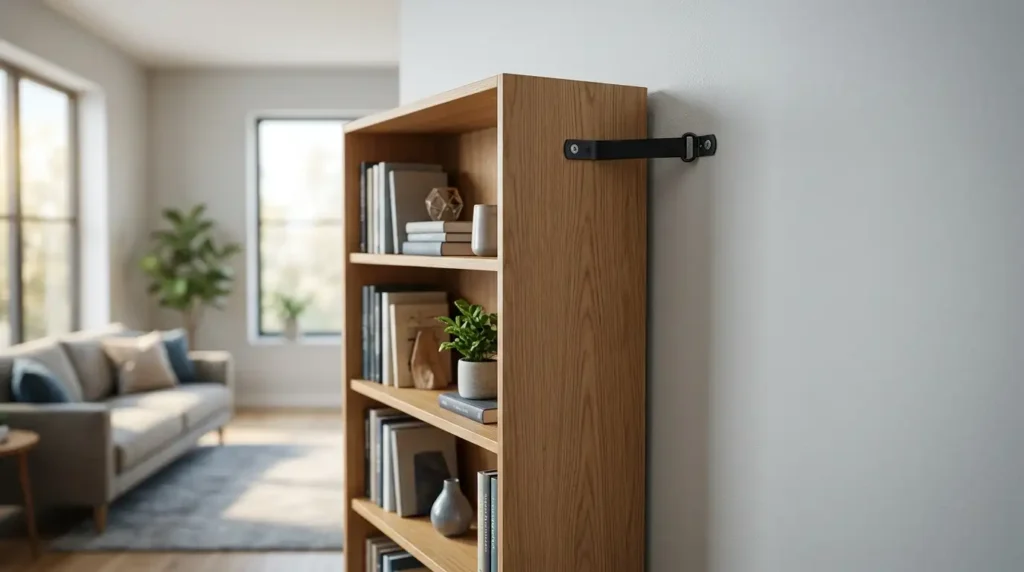
Picture a cold morning in Minneapolis, and your toddler is tugging a dresser drawer open to grab a stuffed bear. That one small moment is why furniture safety for homes with young children matters so much. I have seen how fast a curious child can turn a dresser into a ladder. The fix is simple, cheap, and quick. A few tools and an hour or two can make a big difference. This guide shows you what to anchor, what to lock, and what to check each month.
Why Is Furniture Safety Important in Homes With Young Children?
Young children learn by touching, pulling, climbing, and opening things. That is normal and healthy. The trouble starts when the furniture around them was never built for that kind of play. Once you see your rooms the way a two-year-old does, hazards become easy to spot. Let us look at what actually goes wrong, and why.
Understanding Common Furniture-Related Accidents
Most furniture injuries come from a short list of causes. Knowing the list helps you check your own home fast.
- Dressers and bookcases tipping onto a child.
- Open drawers used as steps.
- Climbing on TV stands to reach a remote.
- Fingers caught in drawers, cabinets, and doors.
- Head bumps on sharp table corners.
- Heavy items sliding off high shelves.
Tip-overs are the most serious of these. The Consumer Product Safety Commission (CPSC) says 451 children age 17 and under died in furniture and TV tip-overs from 2000 to 2019. Most of the rest are bumps and pinches. Those hurt, but they are far easier to prevent. If you want a deeper dive on the biggest risk, read our guide to anchor tall furniture safely.
Which Children Are Most at Risk?
Risk changes as a child grows. I like to think of it in three stages.
Babies who crawl and pull up reach low shelves, table edges, and cabinet doors. Toddlers climb and open drawers. They are the group most often hurt. CPSC data shows that 79 percent of furniture and TV tip-over deaths from 2000 to 2019 involved children younger than six. Preschoolers still climb, and they also reach for toys and decor placed up high.
Visiting children matter too. A cousin or a grandchild does not know your layout. They may climb something your own child ignores. That is why CPSC suggests safety steps in any home where children live or visit.
Why Heavy Furniture Is Not Always Safe
Many parents tell me, “That dresser weighs a ton. It will not move.” I understand the thought. But weight is not the same as stability.
Every piece of furniture has a center of gravity. Pull a drawer open, and the load shifts forward. Pull out two or three drawers, and a child’s weight can push that center past the front legs. Then the whole unit can fall.
Carpet makes it worse. Furniture on carpet can tilt more easily than on a hard floor. Dr. Gary Smith of Nationwide Children’s Hospital has noted that sturdy-looking furniture can still be unsafe.
Never place a TV on a dresser. The American Academy of Pediatrics (AAP) advises low, sturdy furniture made for TVs. Dressers are not built for that load.
Everyday Child Development and Furniture Safety
Childproofing is not a one-time job. It follows your child’s growth.
Crawling opens the world of low cabinets, outlets, and open shelves. Walking adds table edges and coffee table corners. Climbing brings the real tip-over danger.
I suggest a quick walk-through at each new stage. Get down on your knees at crawling height. Then stand a chair beside a dresser and imagine a climbing toddler. You will spot things you never noticed. When you move a child into a new room, repeat the check. Our nursery furniture buying guide can help you pick safer pieces from the start.
Essential Tools and Products for Furniture Safety
You do not need a pro workshop to childproof your furniture. A basic toolbox and a few well-chosen products cover most jobs. Here is what I keep on hand, and what each item does.
Tools Needed for Furniture Safety Installation
Gather these before you start. It saves many trips to the hardware store.
- Cordless drill.
- Screwdriver set.
- Stud finder.
- Measuring tape.
- Pencil and masking tape.
- Small level.
- Drill bits that match your screws.
- Safety glasses.
- Flashlight.
A stud finder is the star of the list. It tells you where the strong wood sits behind the drywall. If you are new to power tools, our stud finder buying guide and cordless drill basics will help you choose and use them with confidence.
Anti-Tip Kits and Wall Anchors for Furniture
Anti-tip kits link a piece of furniture to the wall. Most use one of these designs.
- Nylon furniture safety straps.
- Metal anti-tip brackets.
- L-shaped mounting brackets.
- Manufacturer kits made for a certain model.
- TV anti-tip straps.
Many new dressers now ship with a kit in the box. The federal STURDY rule has pushed makers to improve stability for clothing storage units. Still, an older dresser at home may have no kit at all. CPSC chair Alex Hoehn-Saric has said most kits cost under $20 and take under 20 minutes to install.
Cabinet Locks and Drawer Safety Devices
These products limit access. They do not stop tip-overs, so treat them as a second layer.
- Magnetic cabinet locks.
- Adhesive cabinet locks.
- Screw-mounted safety latches.
- Drawer stops.
- Child-resistant cabinet catches.
Magnetic locks hide inside the cabinet. They look neat, but you must keep the key out of reach. Screw-mounted latches hold best on heavy doors. For a step-by-step walkthrough, see our guide on how to install cabinet locks.
Corner Guards and Edge Protectors
Corner guards cushion bumps. They are great for coffee tables, desks, and fireplace hearths.
- Foam corner bumpers.
- Silicone corner guards.
- Clear edge protectors.
- Adhesive-backed padding.
Here is an honest limit. Corner guards do not keep furniture from falling. They also can loosen and peel. A loose piece can become a choking hazard for a baby. Pick a snug design and check it often.
Choosing the Right Childproofing Products
Shopping gets easier with a short checklist.
- Make sure the product fits your furniture material.
- Read the install steps first.
- Look for products that cite a safety standard, such as ASTM International standards.
- Ask yourself if it needs drilling.
- Do not trust weak adhesive for anything structural.
- Pick devices that adults can open with one hand.
That last point matters in an emergency. A lock that frustrates you at 2 a.m. may get left off. Choose gear you will use every day.
Essential Furniture Safety Tools and Their Uses
This table shows which tool solves which job. It helps you plan one weekend project without buying extras. I built it from the jobs I see most often in family homes.
| Tool or product | Main purpose | Best use |
|---|---|---|
| Stud finder | Locate wall studs | Furniture anchoring |
| Cordless drill | Install screws | Brackets and locks |
| Anti-tip kit | Prevent furniture tipping | Dressers and bookcases |
| Cabinet locks | Restrict access | Storage cabinets |
| Drawer stops | Limit drawer opening | Dressers and cabinets |
| Corner guards | Cover sharp edges | Tables and desks |
| Measuring tape | Measure installation points | All DIY projects |
Secure Tall Furniture and Prevent Tip-Overs
Tip-overs are among the most serious furniture hazards in a home with kids. Good furniture tip-over prevention has three parts. Use the right hardware. Hit solid wall studs. Keep tempting items off the top. Here is how I walk through it.
Identify Furniture That Needs Anchoring
Walk room by room and mark each tall or top-heavy piece.
- Tall dressers and chests of drawers.
- Bookcases and shelving units.
- Wardrobes and armoires.
- TV stands and entertainment centers.
- Storage cabinets.
- Desks with hutches and freestanding shelves.
CPSC data shows that half of child tip-over deaths happened in bedrooms, and 22 percent happened in living or family rooms. Start with those two spaces. If your bookshelf needs help, our guide to secure a bookshelf to the wall goes deeper.
Choose the Right Anti-Tip Hardware
Most families pick between straps and brackets. Both can work when installed well.
Nylon straps flex and adjust. Metal brackets feel rigid. Some pieces ship with a kit made for that exact model. Always check what the maker recommends. Use screws that match your wall type, and skip home-made rigs like string or tape.
Table 2 below compares the main options. If you are still unsure, ask a hardware store pro to confirm the fasteners suit your wall.
Find the Correct Wall Stud Location
Drywall alone cannot hold a falling dresser. Screws need to bite into a stud.
- Run an electronic stud finder along the wall.
- Mark both edges of the stud with masking tape.
- Find the center and mark it with a pencil.
- Confirm the spot by scanning once more.
- Check for wires and pipes before you drill.
Many stud finders also flag live wires. Still, be careful near outlets and bathrooms. If you feel unsure about hidden lines, call an electrician or a handyman. Our furniture repair tools list covers the other gear worth owning.
Install Furniture Safety Straps
Always follow the maker’s directions first. These are the general steps I follow.
- Find the mounting point on the furniture back or top.
- Hold the piece in its final spot.
- Mark the wall point for the second anchor.
- Drill a pilot hole into the stud.
- Drive in the screws that came with the kit.
- Attach the strap and pull it snug.
- Tug hard on both ends to test them.
A snug strap works better than a loose one. Slack lets the furniture tilt before the strap catches. If you plan to hang shelves too, see how to install wall shelves safely.
Anchor Furniture Without Damaging the Wall
Renters worry about holes. I get it. Start by reading your lease. Then send your landlord a short note that explains the safety reason. Most owners say yes, because small screw holes are easy to fill.
Ask which attachment is approved. Some landlords prefer a certain type of anchor. Adhesive-only straps are not a safe substitute for a strap screwed into a stud. A tip-over puts heavy force on the anchor, and glue can let go. If a landlord says no, consider a low, wide piece of furniture that is built to resist tipping.
Secure TVs and Heavy Electronics
TVs are the top tip-over danger for young kids, so give them real attention.
- Mount a compatible flat screen to the wall with a rated mount.
- If the TV sits on furniture, anchor both the TV and the stand.
- Push the TV back on the stand.
- Keep remotes and toys off the stand.
- Tie up loose cables so a child cannot pull them.
The AAP says to place TVs on low, sturdy furniture made for them. It also warns against putting a TV on a dresser. Drawers invite climbing.
Reduce Climbing Temptations
A child climbs for a reason. Remove the reason, and the risk drops.
- Move toys off high shelves.
- Keep decor off dresser tops.
- Place heavy items in the lowest drawers.
- Keep anything shiny or favorite out of reach.
Think of it as bait. Your toddler may see a bookshelf as a climbing gym. Sadly, it was not built for gymnastics. Put the cookie jar low and the vase high, and you will sleep better.
A Saturday Afternoon Anchoring Project in Ohio
Here is a picture of a typical weekend. A parent in a Columbus home sets out a stud finder, a cordless drill, and a set of metal brackets. The toddler naps. The nursery dresser comes first, then the bookshelf in the playroom.
The parent marks the studs, drills two pilot holes per piece, and screws in the brackets. Each piece gets a firm tug test. The whole job takes about two hours, and the cost is small. That calm feeling afterward is worth every minute.
Anchoring Hardware Comparison
Different restraints fit different jobs. My rule is simple. Match the hardware to the furniture build, the wall type, and the maker’s advice.
| Hardware | Advantages | Suitable application |
|---|---|---|
| Nylon straps | Flexible and adjustable | Dressers and bookcases |
| Metal L-brackets | Rigid connection | Compatible furniture |
| Cable restraints | Flexible connection | Suitable TV and furniture setups |
| Manufacturer kits | Designed for specific products | Matching furniture models |
Cabinet Locks and Drawer Stops for Safer Furniture
Drawers and cabinets look harmless. Inside, they often hold knives, cleaners, pills, and heavy pots. They also pinch small fingers. A good lock or stop adds a second layer of safety on top of anchoring. Here is how I set them up.
Install Child Safety Locks on Cabinets
Start with the cabinets that hold the worst items. Those are usually under the sink, in the bathroom vanity, and near the stove.
- Empty the cabinet and clean the door.
- Pick a magnetic, adhesive, or screw-mounted lock.
- Read the install steps and mark the spots.
- Fix the lock and add the catch.
- Test it ten times with the door open and closed.
- Store the magnetic key high, out of sight.
Do not rely on one lock for strong chemicals. Locks slow a child down. They do not make a poison safe. Our how-to on renter-friendly childproofing lists no-drill options.
Fit Drawer Stops to Prevent Accidents
Drawer stops limit how far a drawer can open. That cuts the chance that a child uses open drawers as stairs.
Measure the drawer opening first. Then choose a stop that fits your drawer style. Follow the directions and test the drawer by pulling hard. Make sure the drawer cannot slide out and fall. Also avoid overloading drawers, since a heavy load can strain the slides.
Remember what a drawer stop cannot do. It does not anchor the dresser. Use it with a wall strap, never in place of one. If a drawer sticks or wobbles, our guide to fix wobbly furniture can help you repair it first.
Protect Cabinets Containing Dangerous Products
Some items are too risky to store low, even behind a lock. I move them up and away.
- Keep medicines in a high, locked box.
- Store detergents and cleaning products on a high shelf.
- Lock up sharp kitchen tools and heavy gear.
- Put batteries and tiny hazardous objects behind a latch.
Button batteries deserve extra care. A swallowed one can cause serious harm. Keep all small batteries in a closed, latched spot. If you run a home office, our home office furniture guide shows how to give supplies a safe home.
Check the Strength of Cabinet Safety Devices
Locks wear out. Glue fades after steam and cleaning.
- Look for loose adhesive.
- Tighten screws and check catches.
- Swap any cracked or bent lock.
- Recheck after you wash cabinet doors.
I like to tug each lock once a month. It takes a minute. If it gives way under a firm pull, a toddler may open it too.
The Sink Cabinet Moment
Every parent knows this scene. You turn to stir the pasta. Your toddler crawls to the sink cabinet and opens it. Inside sits a bottle of dish soap, bright and tempting.
One simple latch changes that story. The door opens a half inch and stops. Your child gives up and finds a pot to bang instead. That tiny lock buys you time to look up and notice. For more kitchen ideas, see our kitchen storage organization tips.
Protect Children From Sharp Furniture Corners and Trapped Fingers
Not every injury involves a falling dresser. A bump on a coffee table or a pinched finger in a door hurts just as fast. These small fixes cost little and take minutes.
Put Corner Guards on Tables and Desks
Walk the house at toddler height. Any corner that sits near head level needs a look.
- Find sharp corners on tables, desks, and hearths.
- Choose snug foam or silicone guards.
- Clean the surface with a dry cloth.
- Press the guard on as the maker directs.
- Check each week for peeling or gaps.
Pick guards with a firm grip. Soft bits that pull off can end up in a mouth. If your coffee table is a big risk, our coffee table buying guide points to rounded options.
Use Edge Protectors on Low Furniture
Low shelves, desk edges, and toy chests all sit right at a toddler’s head height. Edge strips can soften those lines.
Cover long sharp edges and exposed desk corners. Skip products that crumble or tear, because small pieces create a choking risk. Foam that is chewed or bitten should be replaced right away.
Also remember that padding hides the hazard but does not remove it. If a shelf has a very hard edge, think about moving it to a spot your child does not use for play.
Prevent Finger Injuries From Drawers and Doors
Finger pinches happen when doors and drawers close fast. A few steps help.
- Add door and drawer safety devices.
- Check hinges and closing arms.
- Keep folding chairs and tables away from play zones.
- Teach older siblings to close doors with care.
Soft-close hardware can also help. It slows the last inch and cuts the slam. If a hinge feels loose, tighten it before it fails. Our tips to fix loose screws will get you started.
Choose Child-Friendly Furniture Designs
You can lower risk at the store, before the piece even comes home.
- Prefer rounded edges.
- Pick pieces with a wide base.
- Skip wobbly folding furniture.
- Check for loose handles and sharp hardware.
A wide, low design resists tipping better than a tall, narrow one. Read the label for stability notes. For a good place to start, see our guide to choose a dresser.
Room-by-Room Furniture Safety Checklist for Parents
Every room has its own hazards. A room-by-room walk helps you catch problems that slip by during normal cleaning. Grab a notepad and a flashlight and go slowly.
Nursery and Children’s Bedroom Safety
Bedrooms matter most. CPSC data shows that half of child tip-over deaths took place in bedrooms.
- Anchor dressers, wardrobes, and bookshelves.
- Keep cribs away from window cords.
- Avoid heavy objects above sleeping spots.
- Secure toy storage units.
- Keep furniture away from windows.
- Follow current crib and infant sleep guidance from the AAP.
If you are planning a nursery makeover, our kids room layout ideas can help you place pieces safely.
Living Room Furniture Safety
The family room is where TVs and coffee tables live. It is also where kids spend hours.
- Anchor TV stands and bookcases.
- Secure the TV itself.
- Add corner guards to coffee tables.
- Keep floor lamps stable and decor low.
- Hide loose cords.
- Move climbable items away from windows.
Our TV stand guide explains which stands handle heavier sets and which ones to skip.
Kitchen and Dining Room Safety
Kitchens have heavy items, hot items, and sharp items. Tables and chairs add their own risks.
- Add cabinet locks.
- Anchor freestanding storage units.
- Use drawer stops.
- Lock away knives and heavy kitchen gear.
- Check that dining chairs and tables stay steady.
- Keep tablecloths and hanging cords out of reach.
A child can pull a tablecloth and bring hot dishes down. Bare tables are safer while kids are small.
Bathroom Furniture and Storage Safety
Bathrooms hide medicine and cleaning products in plain sight.
- Lock the medicine cabinet.
- Secure tall storage units.
- Keep cleaning products out of reach.
- Check vanity drawers and doors.
- Store small electric tools safely.
Water and slick floors add another layer of risk. Our bathroom vanity guide covers sturdy builds and safe storage.
Home Office and Playroom Safety
Workspaces and playrooms often fill up fast with gear and toys.
- Anchor filing cabinets and bookshelves.
- Secure monitors.
- Manage power and charging cables.
- Keep heavy supplies in lower storage.
- Check toy chests for finger-trapping lids.
Choose toy boxes with soft-close or lift-off lids that do not slam shut. See our toy storage ideas for safer designs.
Window Safety for Toddlers Around Furniture
Furniture near windows can turn into a stepping stool. Keep beds, dressers, and sofas away from them.
Window screens are not a safe barrier. They are made to keep bugs out, not children in. The AAP suggests window guards or stops that limit the opening. Make sure at least one window in each room stays usable as an emergency exit. Corded blinds are another danger, so look at cordless window treatments.
Electrical Hazards Near Furniture
Furniture often hides outlets and cords. A bed can block an outlet cover, and a cord can run across a play area.
Fit tamper-resistant outlets where you can. Tuck cables behind furniture with clips or channels. Do not run cords under rugs. Keep power strips off the floor in reach of little hands. Our guide to cord management at home has easy ideas.
Checklist Table for Every Room
This table gives you a fast Saturday morning inspection. It focuses on the furniture hazards that families overlook most often. I use the same basic list when I walk through a home.
| Room | Main furniture hazards | Recommended safety measures |
|---|---|---|
| Nursery | Dressers, cribs, wardrobes | Anchor furniture and check crib safety |
| Living room | TV stands, coffee tables | TV restraints and corner guards |
| Kitchen | Cabinets and drawers | Safety locks and drawer stops |
| Bathroom | Vanity cabinets | Cabinet locks and secure storage |
| Home office | Filing cabinets, desks | Anti-tip brackets and cable management |
| Playroom | Toy shelves and storage boxes | Anchors and safe storage lids |
Create a Safer Home With Smart Furniture Placement
Safety gear helps, but where you put furniture matters too. Moving one chair can remove a climbing path. This step is free, so I always start here.
Keep Climbable Furniture Away From Windows
Look at each window. Ask what a child could drag, stack, or climb to reach it.
- Move bookshelves and dressers away from windows.
- Keep chairs and benches clear of window sills.
- Tie up or remove cords on blinds.
- Add window guards where needed.
A window guard must still let adults open the window in an emergency. Check the local rules and the product notes first.
Arrange Furniture to Create Clear Walking Spaces
Open paths help everyone, especially a wobbly walker.
- Keep pathways free of obstacles.
- Avoid low tables in busy walking zones.
- Keep heavy pieces off uneven floors.
- Never block exits.
If you move heavy pieces often, read our guide to moving heavy furniture safely so you protect your back and your floors.
Store Heavy Items on Lower Shelves
Weight placement can make or break stability. Put heavy things low and light things high.
- Put big books on the bottom shelf.
- Keep toys and decor at safe heights.
- Do not stack heavy items on top of cabinets.
- Spread the weight out evenly.
A top-heavy bookcase is easier to tip. A bottom-heavy one stays steadier. It costs nothing to swap the order.
Pick Stable Furniture for Family Homes
A good purchase saves trouble later.
- Look for wide bases.
- Check build quality before you buy.
- Avoid damaged or wobbly pieces.
- Read the safety notes and any tip-over labels.
Solid joints and strong backs help. If a piece arrives with an anchor kit, use it. For more on picking pieces that last, see our advice on durable furniture finishes.
Common Furniture Childproofing Mistakes to Avoid
Even careful parents miss small details. These are the slips I see most. Each one is easy to fix once you know about it.
Assuming Heavy Furniture Cannot Tip Over
Weight does not guarantee stability. An open drawer shifts the load forward. A climbing child adds more force. A CPSC survey found that many adults skipped anchoring because they believed it was not needed while they were watching. Tip-overs happen in seconds. Anchor first, and watch second.
Using Cheap or Incompatible Anchoring Hardware
Not every screw fits every wall. Light screws in thin drywall can pull right out.
Check that the hardware matches the furniture and the wall. Follow the maker’s list. Replace any frayed strap or bent bracket right away. Our overview of wall anchor types explains which fasteners suit which walls.
Relying Only on Adhesive Safety Products
Adhesive has limits. Steam, dust, and oil weaken it. Some surfaces never hold it well.
Use adhesive for light jobs like corner guards. Do not use it for structural anchors. A strap held by glue alone can peel off under a child’s weight. Check the surface and the product notes before you trust any sticky mount.
Installing Cabinet Locks Incorrectly
A lock that sits crooked may not catch. A lock that is too loose may open under a tug.
Follow the product steps and test the lock after you fit it. Do not leave a magnetic key on the counter or fridge. Kids spot shiny things fast.
Forgetting to Recheck Safety Devices
Safety gear ages. Straps fray, screws back out, and glue fails.
- Inspect straps and brackets.
- Check corner guards and adhesive.
- Replace broken locks.
- Recheck after moving or cleaning furniture.
Put a monthly reminder on your phone. It takes five minutes.
Depending Only on Supervision
Supervision is vital. But even the best parent blinks, answers the door, or tends a baby. Physical safety steps work when you look away.
No product makes a home fully childproof. CPSC stresses correct installation and regular checks. Treat gear and supervision as a team.
Maintain and Inspect Furniture Safety Devices
Childproofing never really ends. Kids grow, and furniture gets used daily. A short routine keeps your work solid. Plan one quick check each month and another after any big move.
Inspect Furniture Anchors and Brackets
Look at every anchor you installed.
- Check screws and mounting points.
- Look for loose or frayed straps.
- Inspect metal brackets for bends or rust.
- Replace damaged parts.
Give each piece a gentle pull. If you feel any give, tighten or redo the mount. For seasonal wear on wood, see how to protect furniture during seasonal changes.
Test Cabinet Locks and Drawer Stops
Open and close each lock a few times.
- Test whether each lock engages.
- Look for broken catches.
- Check the adhesive hold.
- Replace worn parts.
Do a quick pull test too. If you can open it with a light tug, a determined toddler can too.
Examine Corner Guards and Edge Protectors
Foam gets chewed and dried out over time.
- Check for peeling edges.
- Look for bite marks or torn foam.
- Replace any piece that could become a choking hazard.
Keep spare guards in a drawer. You will thank yourself later.
Update Safety Measures as Children Grow
New skills bring new risks.
- Reassess climbing risks.
- Check newly reachable drawers and shelves.
- Update safety when your child moves to a new room.
- Recheck after you rearrange the house.
Good wood care helps safety too, since cracked or loose joints weaken a piece. Our posts on how to maintain wooden furniture and furniture maintenance tips cover the basics. You can also learn how to clean furniture safely around kids.
Safety Products Compared Side by Side
Before you buy, it helps to know what each product can and cannot do. This table separates real restraints from simple protective extras. It reflects what I tell parents who ask where to spend first.
| Product | Main benefit | Limitation |
|---|---|---|
| Metal anti-tip bracket | Helps restrain furniture | Requires suitable installation |
| Nylon safety strap | Flexible furniture restraint | Must be properly attached |
| Magnetic cabinet lock | Restricts cabinet access | Requires a safe key location |
| Drawer stop | Limits drawer movement | Does not anchor the furniture |
| Foam corner guard | Cushions sharp edges | Can loosen or detach |
| Window guard | Helps prevent window falls | Must preserve emergency escape |
Weekend Furniture Safety Project Plan
A simple plan turns good intentions into action. You can finish most homes in a weekend, a hardware store run included. This table shows the order I suggest and the tools each step needs.
| Task | Tools required | Estimated time |
|---|---|---|
| Inspect furniture | Flashlight, checklist | 20 minutes |
| Locate wall studs | Stud finder, pencil | 15 minutes |
| Install anti-tip brackets | Drill, screwdriver | 30 to 45 minutes |
| Install cabinet locks | Screwdriver or approved adhesive | 20 minutes |
| Add corner guards | Cleaning cloth, corner guards | 15 minutes |
| Final inspection | Checklist | 15 minutes |
These times are rough. Your wall type, the number of pieces, and the product steps will change them.
Inspection Checklist for Furniture Safety
Keep this list handy and use it each month. It does not replace the maker’s directions or a pro inspection when you are unsure. Print it, tick it, and date it.
| Safety check | Status |
|---|---|
| Tall furniture is securely anchored | To check |
| TVs are properly secured | To check |
| Cabinet locks work correctly | To check |
| Drawers have suitable safety stops | To check |
| Sharp furniture edges are protected | To check |
| Heavy items are stored low | To check |
| Window cords are inaccessible | To check |
| Furniture is away from climbable window areas | To check |
| No loose safety devices are present | To check |
| Emergency exits remain accessible | To check |
Expert Advice From U.S. Safety Authorities
I never ask you to take my word alone. These groups study child injuries for a living, and their advice matches what I share here.
Dr. Gary Smith on Hidden Hazards
Dr. Gary A. Smith directs the Center for Injury Research and Policy at Nationwide Children’s Hospital in Columbus, Ohio. He is a pediatrician and a long-time voice for the American Academy of Pediatrics. His team found that an estimated 560,200 children went to U.S. emergency rooms for furniture or TV tip-over injuries between 1990 and 2019. He urges families to secure furniture to the wall with straps or L-brackets and to keep tempting items off tops. He also points out that the injuries are largely preventable.
CPSC and the Anchor It! Campaign
The U.S. Consumer Product Safety Commission launched Anchor It! in 2015. The campaign teaches parents that anti-tip kits are low-cost and quick to fit. CPSC data from 2017 to 2019 shows about 11,100 children each year were treated in emergency rooms for tip-over injuries. CPSC also asks families to report any tip-over or near miss at SaferProducts.gov.
AAP Guidance on TVs and Dressers
The AAP advises placing TVs on low, sturdy furniture that suits the TV’s size. It warns against putting a TV on a dresser, since kids can pull out drawers to climb. It also asks parents to clear remotes and toys from tops of TVs and furniture. Learn more at HealthyChildren.org, the AAP’s parent site. Our wall shelf and storage planning guide adds practical layout ideas.
Frequently Asked Questions About Furniture Safety for Young Children
Here are short, direct answers to the questions parents ask me most.
What Furniture Should Be Anchored in a Home With Toddlers?
Anchor dressers, chests, bookcases, wardrobes, TV stands, and tall storage cabinets. Also anchor any piece that is taller than it is wide or that holds a TV. When in doubt, anchor it.
At What Age Should Parents Start Childproofing Furniture?
Start before your baby crawls, around four to six months. Babies pull up to standing soon after, and they reach everything. It is easier to prepare early than to rush after a close call.
Are Furniture Anti-Tip Kits Necessary?
Yes, for tall or top-heavy pieces. Kits lower the risk of tip-overs. CPSC notes most cost under $20 and take under 20 minutes. They work only if you install them into studs and check them often.
Can I Childproof Furniture Without Drilling Holes?
Partly. Adhesive corner guards and some cabinet locks need no drilling. But adhesive straps should not replace a screwed-in anchor. Renters should ask the landlord about approved anchors, or choose low, stable pieces.
Are Corner Guards Safe for Babies and Toddlers?
They can be, if they stay firmly attached. Pick snug designs with no small parts that peel off. Check them weekly, and swap any that look chewed or loose.
How Do I Stop My Toddler From Opening Drawers?
Use child safety drawer locks, magnetic locks, or latches. Add drawer stops to limit how far drawers open. Still, anchor the dresser too. A locked drawer does not stop a climb.
Should I Anchor a TV Stand Even If My TV Is Wall Mounted?
Yes. The stand can still tip if a child climbs it. Anchor it, and keep toys and remotes off the top.
How Often Should I Check Furniture Safety Devices?
Check once a month and after any move, cleaning, or repair. Also check when your child reaches a new stage, such as walking or climbing.
What Is the Most Important Furniture Safety Rule for Parents?
Anchor unstable furniture to a wall stud, and remove climbing temptations. Those two steps address the most serious risk.
Final Recommendation
In my experience, the best plan for furniture safety for homes with young children is simple. Anchor every tall piece first, then add locks, stops, and corner guards. Use a stud finder, follow the maker’s steps, and test each mount with a firm pull. Keep heavy items low and tempting items out of reach. Check everything monthly, and adjust as your child grows. No product replaces watchful adults, but good gear gives you a real safety net.

Shakitul Alam is a seasoned interior design consultant and furniture expert with over 15 years of hands-on experience in home decor, space optimization, and furniture craftsmanship. He holds a Bachelor’s degree in Interior Architecture & Design from the University of California, Berkeley (UC Berkeley), where he developed a deep passion for functional aesthetics and modern home living.
Throughout his 15+ year career, Shakitul has worked closely with leading interior design firms, furniture manufacturers, and residential clients across the United States. His expertise spans ergonomic furniture selection, material durability analysis, budget-friendly living room setups, and sustainable interior design trends.
At Looky Furniture, Shakitul leads the editorial and product evaluation team. He personally tests, researches, and reviews home furnishings to provide readers with accurate, practical, and unbiased buying guides. His mission is to help homeowners and renters make informed decisions, transforming everyday spaces into stylish, comfortable, and functional homes.
When he isn’t evaluating the latest furniture designs, Shakitul enjoys studying eco-friendly woodworking techniques and exploring minimalist architectural trends.